

0
3
Freshly made pickle has its own charm—the vibrant colors, sharp aroma, and bold taste can be very tempting. But many people wonder: when is the right time to actually start eating it? Should you enjoy it immediately after preparation, or wait for it to mature? The answer depends on how pickles develop their flavor over time.What Does “Fresh Pickle”..

0
6
Pickles are carefully prepared to develop deep, balanced flavors over time. But once the jar is opened regularly, something subtle yet important begins to happen—air exposure starts influencing the taste. Even though it may not be noticeable immediately, daily contact with air can gradually change how your pickle looks, smells, and tastes.Why Air M..

0
8
Pickles are loved for their bold, tangy, and spicy flavors. But sometimes, instead of a pleasant taste, you may notice a slight bitterness lingering after eating them. This can be confusing, especially when everything else about the pickle seems fine. The truth is, a bitter aftertaste can happen for several reasons—some natural and some avoidable. ..

0
9
If you’ve ever opened a jar of pickle during winter and noticed the oil looking thick, cloudy, or even semi-solid, you’re not alone. This change can be surprising, especially if the same pickle looked perfectly normal in warmer months. The good news is—this is completely natural and usually nothing to worry about. Let’s understand why pickle oil be..

0
18
When it comes to maintaining the quality of pickles, most people focus on ingredients, oil, and storage. However, one small detail that often gets ignored is the type of spoon used to handle pickles. Whether you use a steel spoon or a wooden one can actually make a noticeable difference in how long your pickle stays fresh and flavorful.Why the Spoo..
0
22
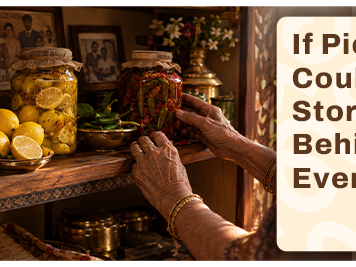
Imagine opening a jar of pickle and hearing it speak. Not in words, but in memories, traditions, and moments carefully preserved over time. Every jar of pickle carries a story—of hands that prepared it, seasons that shaped it, and flavors that matured with patience. If pickles could talk, they would tell tales far beyond just taste.A Story That Beg..

0
13
For many Indians, packing a travel bag feels incomplete without a small jar of pickle tucked inside. Whether it’s a long train journey, a road trip, or a stay away from home, pickles often become an essential companion. But why do travelers prefer carrying pickles from home instead of relying on outside food? The answer goes beyond taste—it’s about..
0
12
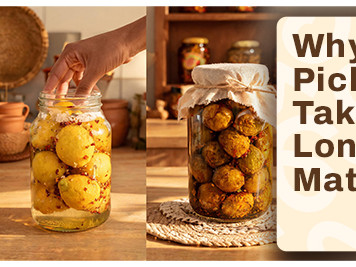
Lemon pickle, or nimbu ka achar, is loved for its tangy, bold flavor. But unlike some other pickles, it requires more patience before it reaches its perfect taste and texture. Many people wonder why lemon pickle takes longer to mature compared to varieties like mango or chili. The answer lies in the nature of lemons and the processes involved in pi..

0
14
Mango pickle, or aam ka achar, is loved for its bold flavor and satisfying texture. When freshly made, the mango pieces are firm and slightly crunchy. But as days pass, they gradually become softer. This change is completely natural and actually an important part of the pickle’s maturation process. Let’s understand why mango pickle softens over tim..

0
15
In today’s market, pickles are available in countless varieties, from homemade-style jars to mass-produced options. But what truly sets a premium pickle brand apart from the rest? It’s not just about higher price—it’s about quality, authenticity, consistency, and the overall experience. Let’s explore the key factors that define a premium pickle bra..
0
17
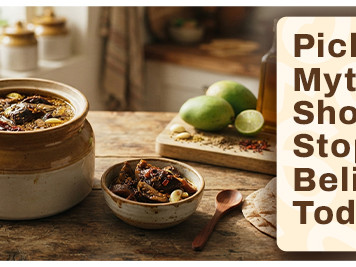
Pickles are a favorite in many households, especially in India, where they add a burst of flavor to everyday meals. Despite their popularity, there are many misconceptions surrounding pickles—about their health, preparation, and storage. It’s time to clear the confusion and separate facts from myths.Myth 1: Pickles Are Always UnhealthyOne of the mo..
0
21
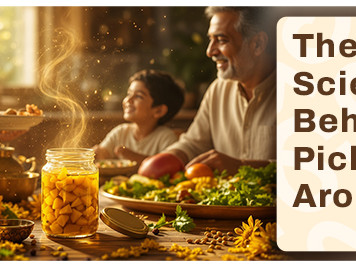
That irresistible smell of pickles—the one that instantly makes your mouth water—is not just a coincidence. Behind every whiff lies a fascinating mix of science, ingredients, and traditional techniques. Pickle aroma is the result of complex chemical reactions and natural processes that develop over time. Let’s explore what really creates that signa..