
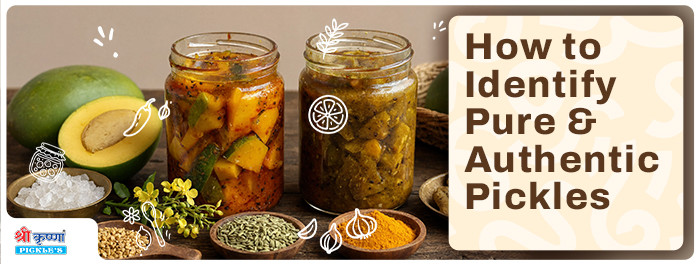
Let’s explore the key signs that help you recognize genuine, high-quality pickles.
1. Check the Ingredient List Carefully
The first step to identifying authentic pickles is reading the ingredients.
Pure pickles are made using simple, traditional ingredients like:
- Fresh fruits or vegetables
- Natural spices
- Salt
- Oil (often mustard oil)
If you notice artificial preservatives, synthetic colors, or chemical additives listed, the pickle is likely not authentic. Traditional recipes rely on natural preservation methods rather than chemicals.
2. Look at the Oil Quality
Oil plays a crucial role in preserving pickles and enhancing flavor.
Authentic pickles usually use cold-pressed oils, especially mustard oil, which:
- Acts as a natural preservative
- Enhances aroma and taste
- Keeps the pickle fresh for longer
Refined oils may lack the same depth of flavor and natural preservation properties.
3. Observe the Color
Color can reveal a lot about a pickle’s purity.
- Natural pickles have earthy, rich tones
- Artificially bright or overly vibrant colors may indicate added dyes
For example, mango pickle should look deep yellow or brownish, not neon yellow.
4. Smell the Aroma
Authentic pickles have a strong, natural aroma of spices and oil.
A good pickle will:
- Smell fresh and appetizing
- Have a balanced spice fragrance
If the smell feels too sharp, chemical-like, or artificial, it may not be genuine.
5. Taste the Balance
Taste is one of the most reliable indicators.
Pure pickles have:
- A balanced mix of sour, spicy, and salty flavors
- A lingering natural taste
Artificial pickles often taste overly salty, too acidic, or unnaturally tangy due to additives.
6. Texture Matters
The texture of the pickle should feel natural.
- Fruits and vegetables should retain some firmness
- Overly soft or mushy texture may indicate poor quality or over-processing
Authentic pickles are usually sun-cured, which helps maintain their natural structure.
7. Packaging and Storage
Traditional pickles are often stored in:
- Glass jars
- Ceramic containers
These materials help maintain quality without reacting with the ingredients. Plastic packaging, especially low-quality ones, may affect taste and authenticity.
8. Shelf Life Clues
Authentic pickles generally have a long shelf life due to natural preservation methods like oil, salt, and sunlight.
However:
- Extremely long shelf life (with no spoilage) may indicate preservatives
- Always check manufacturing and expiry dates
9. Homemade or Traditional Brands
Pickles made using traditional recipes or by trusted local brands are more likely to be authentic.
Look for:
- Small-batch production
- Handmade processes
- No use of artificial additives
10. Oil Layer on Top
A visible layer of oil on top is actually a good sign.
This layer:
- Protects the pickle from moisture and bacteria
- Indicates traditional preservation techniques
Conclusion
Identifying pure and authentic pickles is all about paying attention to details—ingredients, aroma, color, taste, and preparation methods. Choosing the right pickle not only enhances your meals but also ensures you enjoy the true essence of traditional flavors without harmful additives.
When you select authentic pickles, you’re not just buying a product—you’re preserving a rich culinary heritage that has been passed down through generations.
Leave a Comment