
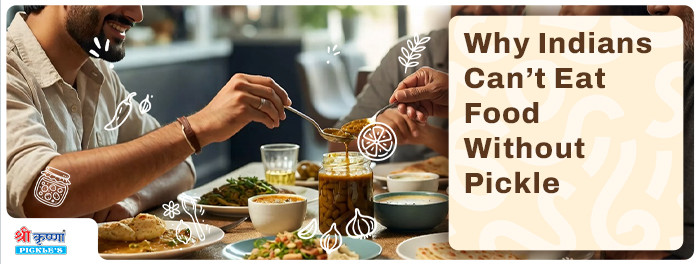
In India, a meal often feels incomplete without a small but powerful companion on the side — pickle, or achar. Whether it’s a simple plate of dal-chawal or a lavish festive thali, that tangy, spicy bite adds something special that no other side dish can replace. But why exactly do Indians find it so hard to eat food without pickle? The answer lies in a blend of tradition, taste, culture, and even science.
1. A Burst of Flavor That Elevates Every Bite
Indian cuisine is known for its diversity, but many everyday meals are designed to be balanced rather than overpowering. Pickles step in to enhance these meals with their bold combination of sour, spicy, and salty flavors. A small spoonful of mango pickle or lemon pickle can instantly transform a plain meal into something exciting, making every bite more enjoyable.
2. Deep Cultural Roots
Pickle-making in India is not just about food — it’s a tradition passed down through generations. Almost every household has its own recipe, often prepared during summer months when raw mangoes, chilies, and other ingredients are in season. Eating pickle is, in many ways, a connection to one’s roots.
3. Perfect Companion for Simple Meals
India has a large population that enjoys simple, home-cooked food daily. Dishes like roti-sabzi or khichdi are wholesome but mild in taste. Pickles provide the perfect contrast, adding intensity without requiring elaborate cooking. This makes them an essential part of everyday meals, especially in busy households.
4. Enhances Appetite
Pickles are known to stimulate the appetite. The tangy and spicy elements trigger salivation and make food more appealing, especially when someone is feeling low or unwell. This is one of the reasons why pickle is often served with meals for people recovering from illness or dealing with a lack of appetite.
5. Long Shelf Life and Convenience
Traditional Indian pickles are made using oil, salt, and natural preservatives like spices, which allow them to last for months or even years. This makes them a reliable side dish that is always available in the kitchen. When there’s nothing else prepared, pickle becomes the quick fix that completes a meal.
6. Regional Diversity and Variety
From North India’s spicy mango pickle to South India’s tangy gongura pickle, every region has its own unique flavors. This diversity ensures that there’s a pickle for every palate. The wide variety keeps people hooked and adds excitement to daily meals.
7. Emotional and Nostalgic Value
For many Indians, pickle is more than just food — it’s an emotion. The smell of freshly made achar can bring back childhood memories of summer vacations, terrace drying sessions, and family bonding. This emotional connection makes it an irreplaceable part of the dining experience.
8. Digestive Benefits
Traditional pickles often include ingredients like mustard seeds, fenugreek, and turmeric, which are known for their digestive properties. When consumed in moderation, pickles can aid digestion and complement heavy meals.
Conclusion
Pickles are not just a side dish in Indian cuisine — they are a cultural symbol, a flavor enhancer, and a comfort food all rolled into one. Their ability to elevate simple meals, their deep-rooted traditions, and their emotional significance make them indispensable in Indian households.
So, the next time you see someone reaching for that jar of achar before starting their meal, remember — it’s not just about taste. It’s about tradition, nostalgia, and the little extra joy that makes every meal complete.
Leave a Comment