
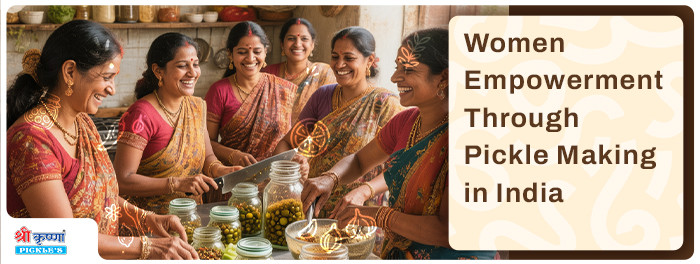
In India, pickles are more than just a side dish—they are a symbol of tradition, skill, and heritage. But beyond taste and culture, pickle making has emerged as a powerful tool for women empowerment, especially in rural and semi-urban areas. For brands like Shri Krishna Pickles, this connection between tradition and empowerment is both meaningful and impactful.
Turning Traditional Skills into Livelihoods
For generations, Indian women have mastered the art of making pickles at home. What was once considered a household activity is now transforming into a sustainable source of income. By turning this age-old skill into a business, women are stepping into entrepreneurship without needing heavy investments or advanced infrastructure.
Across India, many small-scale enterprises and self-help groups (SHGs) are built around pickle production. These initiatives enable women to earn from their homes while balancing family responsibilities, making it a practical and accessible livelihood option.
The Role of Self-Help Groups (SHGs)
Self-help groups have played a crucial role in empowering women through pickle making. These groups provide training, financial support, and a platform to market products. In many regions, women come together to produce and sell pickles collectively, increasing both efficiency and income.
For example, SHGs in different parts of India have successfully launched pickle brands and expanded into commercial production, supplying to local markets and even large retailers.
Similarly, initiatives in places like Kashmir show how women have turned pickle making into thriving businesses, moving from financial struggles to independence with the support of government programs.
Financial Independence and Confidence
One of the biggest impacts of pickle-making ventures is financial independence. Women who previously depended on family members for income are now earning and contributing to household expenses. This shift not only improves their economic status but also boosts their confidence and decision-making power.
Stories from across India highlight how women involved in pickle enterprises gain respect within their families and communities. With their own income, they are able to support their children’s education, healthcare, and overall well-being.
Skill Development and Entrepreneurship
Pickle-making initiatives often go beyond just production. Women are trained in hygiene, packaging, branding, and marketing. These skills help them grow from home cooks into entrepreneurs.
Organizations and brands working in this space focus on holistic development—teaching women how to manage small businesses, handle finances, and expand their reach to urban markets.
This transformation is crucial in bridging the gap between rural talent and modern market opportunities.
Preserving Tradition While Creating Opportunities
An important aspect of this movement is that it preserves India’s culinary heritage. Traditional recipes passed down through generations are not lost—instead, they are celebrated and shared with a wider audience.
At the same time, these recipes become a source of employment and dignity. Women are not just workers; they are custodians of tradition and creators of value.
Large-Scale Impact on Society
The impact of women-led pickle businesses is not limited to individuals. Entire communities benefit from these initiatives. Large-scale projects have shown how thousands of women can come together to supply pickles to hotels and markets, generating significant revenue and employment opportunities.
Such models demonstrate that small, home-based skills can scale into powerful economic engines.
Shri Krishna Pickles: Supporting Women and Tradition
Shri Krishna Pickles stands as a reflection of this beautiful blend of tradition and empowerment. By valuing authentic recipes and supporting skilled hands behind them, the brand contributes to sustaining livelihoods while delivering rich, homemade flavors to customers.
Every jar is not just about taste—it represents dedication, hard work, and the spirit of women who keep this tradition alive.
Conclusion
Women empowerment through pickle making in India is a story of transformation—where tradition meets opportunity. It shows how simple skills, when nurtured and supported, can lead to financial independence, confidence, and community growth.
As more initiatives and brands continue to support this movement, pickle making is no longer just a kitchen activity—it is a pathway to empowerment, dignity, and a brighter future for countless women across the country.
Leave a Comment