
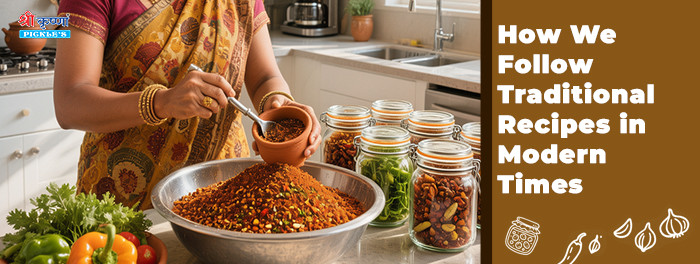
In a world driven by fast food, instant meals, and quick fixes, traditional recipes stand as a comforting reminder of our roots. They carry stories, emotions, and generations of wisdom. At the same time, modern lifestyles demand convenience and efficiency. The challenge — and opportunity — lies in blending the authenticity of tradition with the practicality of today. Here’s how we preserve age-old recipes while adapting to modern times.
Honoring the Original Flavors
Traditional recipes are more than just ingredients and methods — they are cultural treasures. We begin by respecting the original flavors, spice blends, and preparation styles passed down through generations. Whether it’s slow-cooked gravies, hand-ground masalas, or sun-cured pickles, we ensure the soul of the recipe remains unchanged.
Modern tools may help us prepare faster, but the essence — the balance of taste, aroma, and texture — stays true to tradition.
Using Modern Technology Without Losing Authenticity
While our ancestors relied on stone grinders and clay pots, today we have advanced equipment that makes cooking easier and more hygienic. The key is using technology as a support, not a replacement for tradition.
For example:
- Grinding spices using modern machines while maintaining traditional proportions.
- Using temperature-controlled environments for fermentation and preservation.
- Ensuring consistent quality with advanced quality checks.
This approach allows us to scale production while safeguarding authenticity.
Sourcing Ingredients the Traditional Way
Traditional recipes depend heavily on the quality of ingredients. We continue to source fresh, natural, and seasonal produce, just as our elders did. Wherever possible, we use:
- Locally grown vegetables and fruits
- Natural oils and spices
- Traditional preservation methods without artificial shortcuts
Modern logistics help us source better and faster, but our standards remain rooted in tradition.
Blending Health With Heritage
Today’s consumers are more health-conscious than ever, and traditional recipes naturally align with this shift. Many age-old dishes are rich in natural preservatives, probiotics, and beneficial spices.
We embrace this by:
- Reducing unnecessary additives
- Preserving natural fermentation processes
- Highlighting the nutritional benefits of traditional ingredients
This creates food that is not only flavorful but also wholesome and nourishing.
Adapting to Modern Lifestyles
While the heart of traditional recipes remains unchanged, presentation and packaging evolve to suit modern needs. Busy families, working professionals, and younger generations look for convenience without compromising on taste.
That’s why we offer:
- Ready-to-use formats
- Hygienic, shelf-stable packaging
- Portion sizes suitable for today’s households
This makes it easier for people to enjoy traditional flavors in their everyday lives.
Passing Traditions to the Next Generation
Preserving tradition isn’t just about cooking — it’s about storytelling, teaching, and sharing. We document recipes, train our teams in traditional methods, and educate customers about the heritage behind each dish.
By doing so, we ensure that these recipes are not lost to time but continue to evolve responsibly.
Tradition and Innovation, Side by Side
Modern times don’t have to mean modern flavors alone. By respecting our culinary heritage and embracing innovation wisely, we create a beautiful balance — one where tradition thrives, not fades.
Traditional recipes are not outdated; they are timeless. And when followed with care, integrity, and passion, they continue to bring warmth, flavor, and meaning to modern kitchens everywhere.
Leave a Comment