
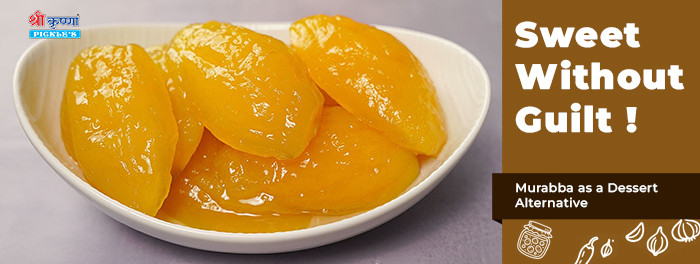
In a world where desserts are often loaded with refined sugar, artificial flavors, and empty calories, many people are searching for healthier ways to satisfy their sweet cravings. One traditional delicacy that deserves renewed attention is murabba—a naturally sweet preserve that blends taste, nutrition, and heritage. As a dessert alternative, murabba offers indulgence without the guilt.
What Is Murabba?
Murabba is a traditional fruit preserve made by slowly cooking whole fruits or large fruit pieces in natural sweeteners. Popular in Indian and Middle Eastern households, murabba is commonly prepared using fruits like amla, apple, mango, carrot, or even rose petals. The slow-cooking process helps retain nutrients while enhancing natural sweetness.
Unlike modern desserts, murabba relies on the fruit’s inherent flavors rather than artificial additives.
Naturally Sweet, Not Overprocessed
One of the biggest concerns with conventional desserts is the excessive use of refined sugar. Murabba, when prepared traditionally, uses minimal ingredients and avoids chemical sweeteners.
Why it’s a better choice:
-
Sweetness comes from fruit and gentle cooking
-
No artificial colors or preservatives
-
Less sugar compared to cakes, pastries, and candies
-
Rich, satisfying taste in small portions
Because murabba is dense and flavorful, even a spoonful can satisfy dessert cravings.
Packed With Nutritional Benefits
Murabba is not just about taste—it also offers nutritional value depending on the fruit used.
Common benefits include:
-
Rich in vitamins and antioxidants
-
Supports digestion when consumed in moderation
-
Boosts immunity, especially amla-based murabba
-
Provides natural energy without sugar spikes
This makes murabba an ideal choice for those looking to enjoy dessert while maintaining a balanced diet.
Gentle on Digestion
Heavy desserts often leave you feeling bloated or sluggish. Murabba, on the other hand, has long been valued in traditional diets for its digestive properties.
When eaten after meals in small quantities, murabba can:
-
Aid digestion
-
Reduce acidity
-
Leave you feeling satisfied rather than overfull
This makes it a thoughtful end to a meal rather than a heavy indulgence.
A Dessert Rooted in Tradition
Choosing murabba is also a way of reconnecting with traditional food wisdom. Long before packaged sweets became common, murabba was enjoyed as a natural treat that balanced taste and health.
Its simplicity reflects mindful eating—slow, intentional, and nourishing.
How to Enjoy Murabba as a Dessert
Murabba can be enjoyed in many modern ways:
-
A spoonful after meals
-
Paired with yogurt or cottage cheese
-
As a topping for toast or flatbread
-
Served alongside nuts for a wholesome dessert plate
These combinations elevate murabba while keeping the dessert light and nutritious.
Final Thoughts
Murabba proves that desserts don’t have to be unhealthy to be delicious. With its natural sweetness, nutritional benefits, and rich traditional roots, murabba stands out as a dessert alternative that truly feels indulgent—without the guilt.
Incorporating murabba into your routine is not just a healthier choice; it’s a return to mindful, nourishing sweetness that respects both your body and tradition.
Leave a Comment