
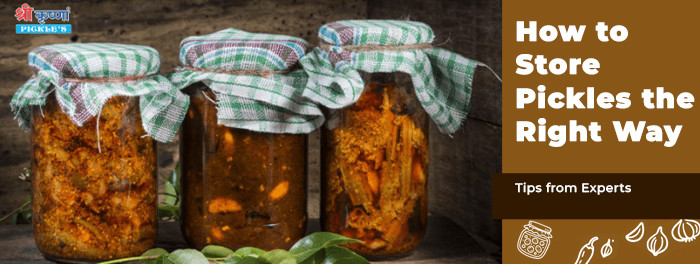
Pickles have been an essential part of kitchens across the world for centuries. From tangy mango pickles to crunchy cucumber gherkins, their bold flavors can instantly elevate any meal. However, improper storage can spoil even the best homemade or store-bought pickles. To preserve their taste, texture, and safety, it’s important to store them the right way. In this blog, we share expert-recommended tips on how to store pickles properly and extend their shelf life.
Why Proper Pickle Storage Matters
Pickles are preserved using salt, oil, vinegar, or fermentation. Despite these preservation methods, poor storage practices can lead to mold growth, loss of flavor, or contamination. Correct storage not only keeps pickles safe to eat but also maintains their aroma, crunch, and nutritional value.
Choose the Right Container
Experts agree that the container you use plays a major role in pickle storage.
-
Glass jars are the best option as they are non-reactive and do not absorb odors.
-
Ceramic jars with food-grade glazing are also suitable, especially for traditional pickles.
-
Avoid plastic containers for long-term storage, as they can absorb stains and smells.
-
Always ensure the lid is airtight to prevent moisture and air from entering.
Keep Moisture Away
Moisture is one of the biggest enemies of pickles.
-
Always use a clean, dry spoon when taking pickles out of the jar.
-
Never touch pickles with wet hands.
-
Even a small amount of water can cause mold or spoilage over time.
Ensure Pickles Are Fully Submerged
For oil-based or brine-based pickles, experts recommend keeping the pieces fully submerged.
-
In oil pickles, the oil acts as a natural preservative.
-
In vinegar or brine pickles, the liquid prevents exposure to air.
-
If needed, add extra oil or brine to cover the pickles completely.
Store in a Cool, Dark Place
Temperature and light can affect the quality of pickles.
-
Store unopened or oil-based pickles in a cool, dry, and dark place like a kitchen cabinet.
-
Avoid placing them near stoves or direct sunlight.
-
Heat can speed up spoilage and reduce shelf life.
Refrigerate When Necessary
Not all pickles need refrigeration, but some do.
-
Fermented pickles and vinegar-based pickles last longer when refrigerated after opening.
-
Refrigeration slows down bacterial activity and helps maintain flavor.
-
Always follow the storage instructions mentioned on store-bought pickle labels.
Check for Signs of Spoilage
Even with proper storage, it’s important to inspect pickles regularly.
-
Look for mold, unusual cloudiness, or an off smell.
-
If the taste or aroma seems odd, it’s safer to discard the pickle.
-
When in doubt, don’t consume it.
Handle Homemade Pickles with Extra Care
Homemade pickles do not contain commercial preservatives, so they require careful handling.
-
Sterilize jars before use.
-
Allow pickles to mature properly before consumption.
-
Refrigerate after opening for longer freshness.
Final Thoughts
Storing pickles the right way is essential to enjoy their bold flavors safely and for longer. By using the right containers, keeping moisture away, maintaining proper temperature, and handling them hygienically, you can significantly extend their shelf life. These expert-approved tips ensure that every bite of your pickle remains as delicious as the first.
Whether homemade or store-bought, proper pickle storage is the key to preserving tradition, taste, and quality.
Leave a Comment