
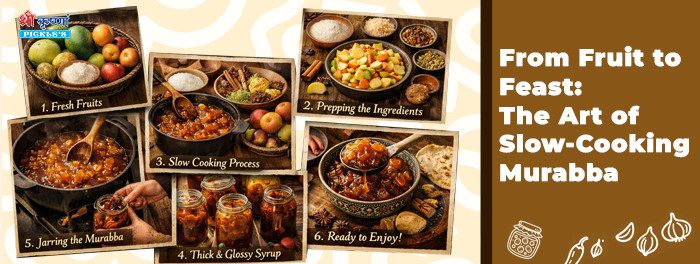
In a fast-paced world driven by instant flavors and quick fixes, murabba stands as a quiet celebration of patience. This traditional Indian preserve is not just a sweet delicacy—it is the result of time, care, and an age-old slow-cooking process that transforms simple fruits into something truly special. From raw fruit to a cherished feast accompaniment, murabba reflects the art of mindful cooking passed down through generations.
The Humble Beginning: Choosing the Right Fruit
Every murabba begins with fruit at its freshest. Whether it is amla, apple, mango, karonda, or bel, the selection process is deliberate. Fruits are chosen at the right stage of ripeness—firm enough to hold their shape, yet mature enough to absorb sweetness. This careful selection ensures that the final murabba retains texture, flavor, and nutritional value.
Once selected, the fruit is washed, peeled if required, and prepared using traditional methods. These early steps may seem simple, but they lay the foundation for the slow transformation that follows.
The Slow-Cooking Tradition
The true art of murabba lies in slow cooking. Unlike modern methods that rush the process, traditional murabba is prepared over gentle heat, allowing the fruit to cook gradually in sugar syrup. This slow absorption helps the fruit retain its structure while becoming tender from within.
As the fruit simmers, it releases its natural flavors, which blend seamlessly with the syrup. The result is a perfect balance—neither overly sweet nor bland. Time, not temperature, is the key ingredient here. It allows the fruit to soak, soften, and mature in taste, creating depth that quick cooking can never achieve.
Preserving Flavor and Texture Naturally
One of the most remarkable aspects of slow-cooked murabba is how well it preserves the fruit’s original character. The careful cooking process ensures that the fruit remains whole, glossy, and flavorful. There is no need for artificial preservatives when time itself does the work.
Spices such as cardamom, clove, or saffron may be added subtly, enhancing the aroma without overpowering the fruit. Each ingredient is used with restraint, respecting the fruit rather than masking it.
Murabba in Indian Food Culture
Murabba has always held a special place in Indian households. Traditionally served as a small side with meals, it was believed to aid digestion and add balance to heavy foods. A spoonful of murabba alongside parathas, puris, or simple dal-chawal elevated everyday meals into something festive.
It also symbolized hospitality. Offering homemade murabba to guests was a way of sharing warmth, effort, and tradition—values deeply rooted in Indian culture.
A Delicacy That Connects Generations
Slow-cooking murabba is more than a culinary process; it is a tradition that connects generations. Recipes were often handwritten, measurements guided by experience rather than scales. The slow bubbling of syrup in the kitchen became a familiar sound, marking seasons and family gatherings.
Today, even as modern kitchens embrace convenience, the charm of traditionally prepared murabba remains unmatched. It reminds us that some flavors cannot be hurried—they must be nurtured.
From Preservation to Celebration
What begins as a method of preservation ends as a celebration of taste. Murabba transforms fruits into long-lasting delicacies that carry memories, culture, and craftsmanship in every bite. In embracing slow cooking, murabba teaches us the beauty of patience and the richness it brings to our plates.
From fruit to feast, murabba is not just made—it is crafted, slowly and thoughtfully, just the way tradition intended.
Leave a Comment