
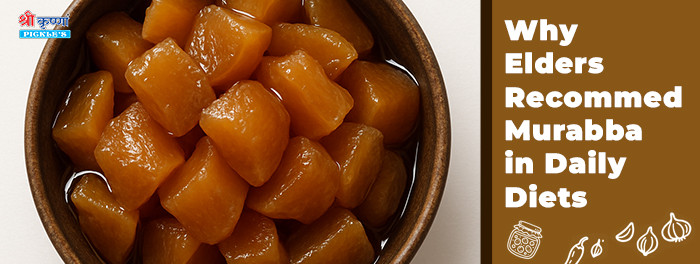
Across Indian households, the advice of elders often comes wrapped in simple food traditions. One such timeless recommendation is the daily consumption of murabba. More than just a sweet preserve, murabba has long been valued for its nourishing qualities, gentle sweetness, and ability to support overall well-being. Generations have trusted it not as a treat, but as a mindful addition to everyday diets.
A Tradition Rooted in Balance
Elders have always believed that food should maintain harmony in the body. Murabba, prepared by slowly cooking fruits in sugar syrup, offers a balanced blend of taste and nourishment. Its moderate sweetness satisfies cravings without overwhelming the digestive system, making it suitable for regular consumption in small amounts.
Gentle on Digestion
One of the main reasons elders recommend murabba is its digestive comfort. The slow-cooked fruits become soft and easy to digest, while traditional spices used in some varieties help support digestive function. Consumed after meals or in the morning, murabba is believed to aid digestion and reduce acidity.
Natural Energy for Everyday Life
Murabba provides a steady source of energy, thanks to natural fruit sugars combined with syrup. Unlike heavily processed sweets, it offers gradual nourishment rather than sudden spikes. Elders often suggested murabba for children, working adults, and seniors alike as a simple way to stay energized throughout the day.
Seasonal Support for the Body
Traditional diets were closely aligned with seasonal needs. Murabba was commonly used during extreme weather—cold winters or hot summers—when the body needed gentle nourishment. Varieties like amla murabba were especially valued for helping the body adapt to seasonal changes.
Amla Murabba: A Household Favorite
Among all types, amla murabba is the most widely recommended by elders. Known for its nutritional richness, it has traditionally been associated with supporting immunity, eyesight, and overall vitality. A small daily portion was often seen as a natural health ritual rather than a remedy.
Suitable for All Ages
Murabba’s soft texture and mild sweetness make it ideal for people of all age groups. Elders appreciated foods that could be shared by the entire family, and murabba fit this role perfectly. It required no special preparation and could be enjoyed effortlessly.
Encourages Mindful Eating
Unlike modern snacks that encourage overconsumption, murabba naturally promotes moderation. Elders emphasized eating with awareness, and murabba’s rich flavor ensured satisfaction in small quantities. This aligned with traditional dietary wisdom that valued restraint over indulgence.
Murabba in Modern Lifestyles
Even today, murabba remains relevant. While eating habits have changed, the need for balanced, comforting foods remains the same. Murabba bridges the gap between tradition and modern convenience, offering a simple way to reconnect with age-old dietary practices.
Final Thoughts
Elders recommend murabba in daily diets not out of habit, but from experience and wisdom passed down through generations. Its gentle sweetness, nourishing qualities, and versatility make it a timeless companion in everyday meals. In a fast-paced world, murabba reminds us that simple, traditional foods often hold the deepest value.
Leave a Comment