
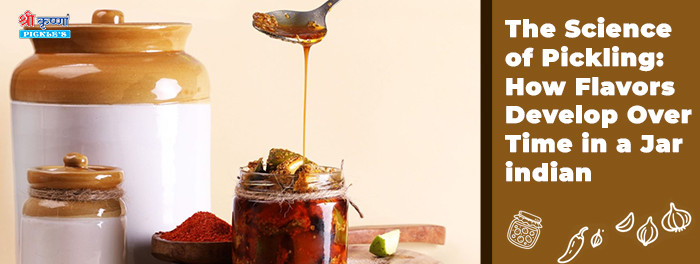
Pickling may seem like a simple process of preserving food, but behind every flavorful jar lies a fascinating blend of science, time, and tradition. What begins as fresh produce slowly transforms into a complex, tangy, and deeply aromatic delicacy. Let’s explore how flavors develop over time in a jar and why patience is the secret ingredient in perfect pickles.
The Role of Salt: More Than Just Taste
Salt is the foundation of pickling. When added to fruits or vegetables, it draws out moisture through osmosis. This creates a natural brine that prevents the growth of harmful bacteria while allowing beneficial microorganisms to thrive. As water leaves the produce, it also makes room for spices and seasonings to penetrate deeper, setting the stage for layered flavors.
Fermentation: Nature at Work
In many traditional pickles, fermentation is the heart of flavor development. Naturally occurring lactic acid bacteria feed on the sugars present in the produce. As they multiply, they produce lactic acid, which gives pickles their signature tanginess. This gradual process not only enhances taste but also helps preserve the pickle for long periods without artificial preservatives.
Acids and Oils: Shaping the Flavor Profile
Some pickles rely on added acids like lemon juice or vinegar, while others use oil as a preservative. Acids lower the pH level, creating an environment where spoilage-causing bacteria cannot survive. Oils, especially mustard oil, act as a protective layer, sealing in flavors and preventing moisture from entering. Over time, spices infuse into the oil, creating a rich and aromatic base.
The Magic of Spices Over Time
Spices don’t release their full flavor instantly. As pickles rest in a jar, spices slowly break down and release essential oils. Heat, sunlight, and time help these flavors meld together, turning sharp and raw notes into a harmonious blend. This is why a pickle tastes stronger, deeper, and more balanced after a few weeks than on the day it is prepared.
Time: The Ultimate Flavor Enhancer
Pickling is not a race—it’s a slow transformation. As days turn into weeks, chemical reactions continue inside the jar. Textures soften, flavors mature, and bitterness fades. This aging process allows each ingredient to complement the other, creating complexity that cannot be rushed.
Temperature and Storage: Silent Influencers
Where and how a pickle is stored greatly affects its development. Warm temperatures encourage faster fermentation, while cooler environments slow it down. Traditional sun-curing techniques use controlled exposure to heat to enhance flavor without spoiling the pickle. Proper storage ensures consistency and longevity.
Why Homemade Pickles Taste Better Over Time
Freshly made pickles often taste sharp and intense. As they age, the flavors settle, creating a smoother and more enjoyable taste. This evolution is the result of natural biochemical changes working in harmony, proving that good things truly take time.
Final Thoughts
The science of pickling is a beautiful balance of chemistry and tradition. Every jar is a living system where salt, microbes, spices, and time work together to create something extraordinary. Understanding this process deepens our appreciation for pickles—not just as condiments, but as carefully crafted culinary creations that grow better with age.
Leave a Comment