
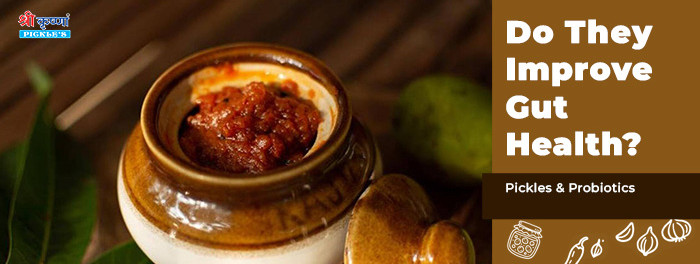
Gut health plays a central role in overall well-being, influencing digestion, immunity, and even mood. As interest in natural digestive support grows, fermented foods are receiving renewed attention. Among them, pickles often raise an important question: can pickles actually improve gut health, or is their probiotic reputation overstated?
The answer depends largely on how the pickles are prepared and consumed.
Understanding Probiotics and Gut Health
The human gut contains trillions of microorganisms that help digest food, produce essential compounds, and protect against harmful bacteria. Probiotics are live, beneficial microorganisms that support this internal ecosystem. When the balance of gut bacteria is healthy, digestion tends to be smoother and the immune system functions more effectively.
Probiotics are naturally present in foods that undergo controlled fermentation, where good bacteria multiply and preserve the food.
The Difference Between Fermented and Pickled Foods
Although all fermented foods are pickled in a broad sense, not all pickles are fermented.
Naturally Fermented Pickles
These are made by soaking vegetables in salted water and allowing natural bacteria to develop over time. During this process, beneficial microbes multiply and create lactic acid, which preserves the vegetables and supports gut health.
Vinegar-Preserved Pickles
Many store-bought pickles are preserved using vinegar rather than fermentation. While these pickles offer tangy flavor and crunch, they do not contain live probiotics, as the acidic environment prevents beneficial bacteria from growing.
This distinction is crucial when evaluating pickles for digestive benefits.
How Fermented Pickles May Help the Gut
When prepared traditionally, fermented pickles can support digestive health in several ways:
Supporting Digestive Balance
The beneficial bacteria in fermented pickles help maintain harmony within the gut microbiome, which can reduce occasional digestive discomfort.
Enhancing Natural Digestion
Probiotics assist in breaking down complex foods, making digestion more efficient and reducing feelings of heaviness after meals.
Strengthening the Gut Barrier
A healthier gut environment helps protect the digestive lining, which plays a role in preventing unwanted bacteria from entering the bloodstream.
Indirect Immune Support
Since a large portion of immune activity is connected to the gut, improving microbial balance may help the body respond better to everyday stressors.
Nutritional Value of Pickles Beyond Probiotics
Even without live cultures, pickles still offer certain nutritional advantages:
-
They are low in calories and can enhance meal satisfaction
-
Pickled vegetables retain fiber, which supports digestion
-
Traditional spices used in pickling—such as mustard seeds, garlic, and turmeric—are known for digestive-supportive properties
-
Fermented varieties naturally produce organic acids that support stomach function
Important Considerations Before Adding Pickles to Your Diet
While fermented pickles can be beneficial, moderation is essential.
-
Pickles are often high in sodium, which may not suit everyone
-
Excessive consumption can irritate sensitive stomachs
-
Pasteurized pickles lack live bacteria and should not be relied on for probiotic benefits
Reading labels carefully is key when selecting gut-friendly options.
How to Identify Probiotic-Rich Pickles
For maximum gut health support, choose pickles that:
-
Are labeled “naturally fermented”
-
Are stored in the refrigerated section
-
Do not list vinegar as the primary preservative
-
Mention live or active cultures
Homemade fermented pickles are another excellent option, as they allow full control over ingredients and fermentation time.
Final Verdict: Are Pickles Good for Gut Health?
Pickles can support gut health—but only when they are naturally fermented and consumed in reasonable amounts. Fermented pickles provide beneficial bacteria that help maintain digestive balance, while vinegar-based pickles mainly serve as flavorful accompaniments.
When chosen wisely, fermented pickles can be a simple, traditional, and flavorful addition to a gut-friendly diet.
Leave a Comment