
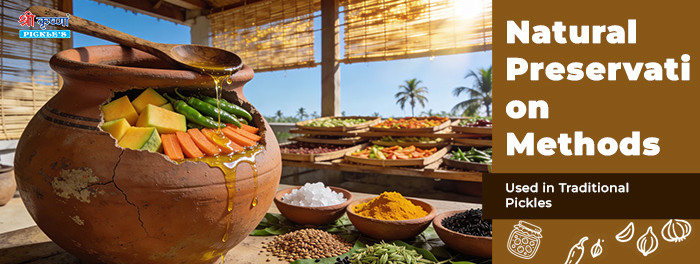
Pickles are one of the few foods that can stay fresh for months without refrigeration or chemical additives. This long shelf life is not accidental—it is the result of carefully chosen natural ingredients and time-tested preparation techniques. Long before modern preservatives existed, people relied on nature to protect their food.
This article explains how pickles stay preserved naturally and why these methods are still relevant today.
The Science Behind Pickle Preservation
Natural preservation works by creating conditions where harmful microorganisms cannot grow. Pickles achieve this by controlling three key factors:
-
Moisture
-
Oxygen exposure
-
Acidity
When these elements are balanced correctly, spoilage slows down naturally.
Natural Elements That Protect Pickles from Spoiling
Salt as a Moisture Controller
Salt plays a crucial role by pulling water out of raw ingredients. With reduced moisture, bacteria find it difficult to multiply. In traditional recipes, salt also helps soften vegetables and prepare them for long-term storage.
Oil as a Protective Shield
Oils—especially traditional choices like mustard oil—seal the surface of the pickle. This layer blocks air contact, which prevents oxidation and mold formation. Oil also helps spices release their natural protective compounds.
Acidity from Natural Sources
Acidic ingredients such as vinegar, lemon juice, or raw mango naturally lower the pH level of pickles. Low acidity creates an unfavorable environment for spoilage-causing microbes, keeping the pickle stable for longer periods.
Fermentation as a Natural Safeguard
In some pickles, fermentation occurs naturally over time. Beneficial bacteria convert sugars into organic acids, which preserve the food while improving flavor and digestibility. This process requires no external additives.
Spices with Protective Properties
Many traditional pickle spices naturally resist microbial growth. Turmeric, garlic, fenugreek, and mustard seeds help slow spoilage while enhancing aroma and taste. Their role goes beyond seasoning—they act as natural defenders.
Why Traditional Pickles Last Longer Without Chemicals
Unlike processed foods, traditional pickles rely on combination preservation. No single ingredient does all the work. Instead, salt, oil, acidity, spices, and time work together to create balance and stability.
This layered approach is why properly made pickles can stay safe and flavorful for months.
Advantages of Natural Preservation in Pickles
-
No synthetic additives
-
Maintains authentic taste
-
Safer for regular consumption
-
Supports digestive health
-
Preserves cultural food practices
Best Practices for Long-Lasting Pickles
-
Always keep water away from stored pickles
-
Use dry spoons when serving
-
Store in airtight glass or ceramic jars
-
Allow proper curing before consumption
Final Thoughts
Natural preservation in pickles is not just about extending shelf life—it is about respecting tradition, flavor, and health. By using simple ingredients and proven methods, pickles remain one of the most reliable naturally preserved foods.
Choosing naturally preserved pickles means choosing food that is both timeless and trustworthy.
Leave a Comment