
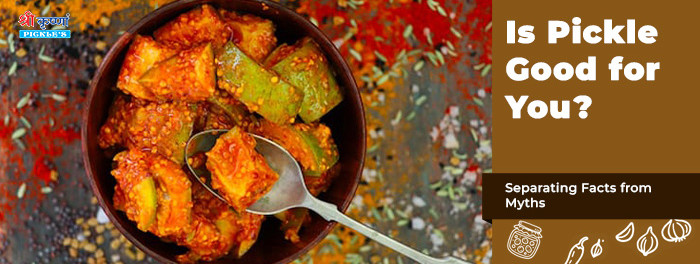
Pickles are a beloved part of many cuisines around the world—tangy, spicy, crunchy, and often served alongside meals to enhance flavor. But when it comes to health, opinions about pickles can be confusing. Some say they’re a tasty wellness boost, others warn against their saltiness. So what’s true? Let’s break down the facts from the myths and understand what pickles really do for your body.
What Are Pickles?
At their core, pickles are vegetables or fruits preserved using salt, spices, and sometimes vinegar or oil. Traditional pickling often involves natural fermentation, which changes the texture and flavors while creating beneficial compounds. The exact ingredients and methods vary by culture—but the health effects depend largely on how the pickles are made.
Myth vs. Reality: Common Beliefs About Pickles
Myth 1: Pickles Are Always Unhealthy
Many people assume pickles are bad because they taste salty. While some commercial pickles do contain a lot of sodium, homemade or traditionally fermented versions can be enjoyed in moderation without harming your health.
Myth 2: Pickles Cause Digestive Problems
This belief is partly due to misunderstanding. While overeating any high-salt food can upset your stomach, the spices in pickles—such as cumin, mustard seeds, and fennel—are traditionally known to support digestion, not harm it.
Myth 3: Pickles Have No Nutrients
Pickles do contain nutrients from the vegetables or fruits used, and many spices in pickles have healthful compounds. They may not be nutrient powerhouses on their own, but they are not devoid of value.
Health Benefits Backed by Science
1. Can Aid Digestion
Spices commonly used in pickles help stimulate digestive juices and enzymes in the gut. This can make meals easier to digest and reduce feelings of heaviness after eating.
2. May Support Gut Bacteria (If Fermented)
Naturally fermented pickles offer beneficial bacteria known as probiotics. These tiny microbes help balance your gut flora, which can support digestion and overall wellness.
3. Spices Add Functional Benefits
Turmeric, mustard seeds, garlic, and other spices used in pickling contain antioxidants and plant compounds that support immune health and reduce inflammation when eaten in moderate amounts.
4. Can Enhance Appetite
The strong flavors of pickles help stimulate the senses and can trigger appetite, especially when paired with richer or heavier foods.
When Pickles Might Be Harmful
Although pickles offer some benefits, they’re not without drawbacks:
-
High Salt Content: Excess sodium can raise blood pressure and strain the heart if consumed in large quantities.
-
Packaged Varieties: Many store-bought pickles contain preservatives, added sugar, artificial colors, or refined oils.
-
Overeating Risks: Too much can lead to bloating or fluid retention, particularly in sensitive individuals.
How to Enjoy Pickles the Healthy Way
If you want the best of both worlds—flavor and wellness—here are some tips:
✔ Choose pickles made with natural spices instead of chemical additives
✔ Prefer traditionally fermented varieties
✔ Pair small amounts with meals instead of eating them alone
✔ Limit intake if you are on a low-salt diet
Final Verdict: Are Pickles Good for You?
The short answer: Yes—but in moderation and depending on how they’re made.
Pickles aren’t a miracle food, nor are they inherently harmful. When prepared traditionally and consumed in reasonable portions, they can support digestion, offer mild nutritional benefits, and add enjoyable flavor to your meals.
So the next time someone asks if pickle is good for you, you can confidently answer:
It depends on the type, preparation, and amount—but there’s no need to avoid them altogether!
Leave a Comment