
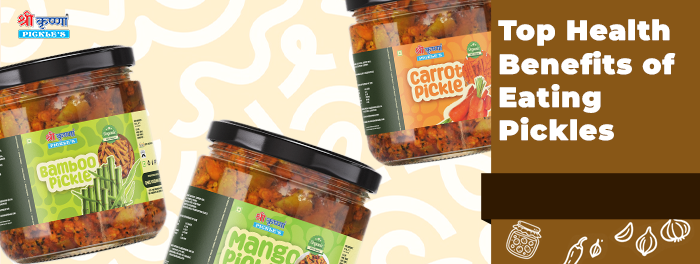
In Indian kitchens, pickles are not treated as just an extra on the plate. They are used thoughtfully—often in small amounts—to add flavour, warmth, and balance to meals. Over generations, people have also believed that pickles play a supportive role in digestion and overall well-being. Modern understanding of ingredients helps explain why this traditional belief still holds value today.
1. Helps the Body Prepare for Digestion
The sharp taste of pickles does something important before digestion even begins—it activates the senses. Tangy and spicy flavours trigger saliva production, which signals the digestive system to get ready for food.
This natural response can:
-
Improve the breakdown of food
-
Reduce feelings of heaviness after meals
-
Make meals easier to digest
That’s why pickles are commonly eaten with simple foods like rice, dal, or curd.
2. Supports Gut Comfort Through Spices
Indian pickles are prepared using carefully selected spices such as mustard seeds, fenugreek, turmeric, and asafoetida. These ingredients have traditionally been valued for keeping the stomach comfortable and balanced.
When included in small quantities, these spices can help the digestive system function smoothly, especially when meals are rich or oily.
3. Encourages Better Appetite
A reduced appetite can occur due to stress, fatigue, or irregular eating habits. The bold aroma and taste of pickles naturally stimulate the senses, making food more appealing.
This is why elders often recommend adding a little pickle to meals when someone feels disinterested in eating—it gently encourages hunger without forcing the body.
4. Contributes Beneficial Plant Compounds
Fruits, vegetables, and spices used in pickles contain natural plant compounds that support the body’s defence system. These compounds help the body deal with everyday stress caused by environmental and lifestyle factors.
Although pickles are eaten in small amounts, their concentrated ingredients still contribute to overall dietary variety.
5. Aids Mineral Balance in Hot Climates
Salt has always played an important role in pickle-making. In warm climates, where the body loses minerals through sweat, a small amount of salt can help maintain balance.
This practical benefit explains why pickles became popular in regions with high temperatures long before modern cooling methods were available.
6. Adds Nutritional Variety to Simple Meals
Pickles are made from seasonal produce like mangoes, lemons, chillies, and vegetables. These ingredients bring trace amounts of vitamins and minerals into the diet.
While pickles are not meant to replace fresh fruits or vegetables, they complement everyday meals by adding diversity in taste and nutrition.
7. Promotes Controlled and Mindful Eating
Because pickles are intense in flavour, they are usually consumed in very small portions. This naturally limits overconsumption while still delivering satisfaction.
A spoon of pickle can make plain food enjoyable, reducing the temptation to rely on processed sauces or artificial flavourings.
Why Quality Matters
The health value of pickles depends heavily on how they are prepared. Carefully sourced ingredients, traditional spice blends, and proper preparation methods ensure both taste and balance.
At Shrikrishna Pickles, the focus remains on preserving authentic flavours using time-honoured techniques, so each jar delivers not just taste, but trust.
Conclusion
Pickles have earned their place in Indian meals for good reason. They awaken the appetite, support digestion, and enhance simple food with powerful flavours. When enjoyed thoughtfully and in moderation, pickles can be a meaningful addition to a balanced lifestyle—just as they have been for generations.
Leave a Comment